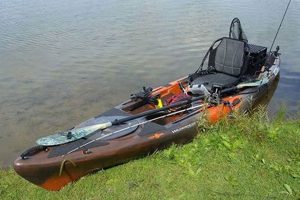
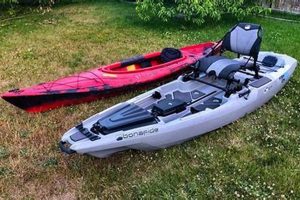
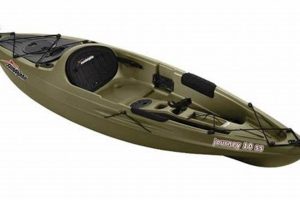
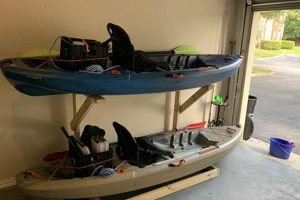
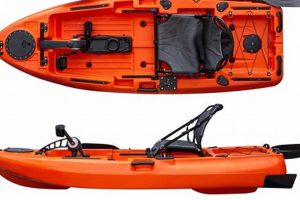
A kayak designed specifically for angling offers features tailored to the needs of male anglers. These often include a longer, wider hull for stability, ample storage for tackle and gear, and specialized seating designed for comfort during long hours on the water. Rod holders, paddle parks, and even built-in fish finders are common additions. A typical example might be a sit-on-top model constructed from durable rotomolded polyethylene, measuring 12 to 14 feet in length and featuring multiple sealed hatches and adjustable footrests.
Such specialized watercraft provide a stable and efficient platform for accessing fishing spots often unreachable by larger boats. Their maneuverability allows navigation in shallow water and around obstacles, opening up diverse fishing environments from lakes and rivers to coastal waters. Historically, kayaks have been used for fishing for millennia by various cultures. Modern designs build upon this heritage, incorporating advanced materials and technology to enhance performance and comfort. This dedicated design enhances the fishing experience, contributing to both success and enjoyment on the water.
The subsequent sections will delve further into specific aspects of these specialized kayaks, including an in-depth analysis of key design features, a comparison of popular models, and guidance on selecting the optimal craft for individual needs and fishing styles.
Tips for Selecting and Using a Fishing Kayak
Careful consideration of several factors ensures optimal selection and utilization of a fishing kayak, maximizing both comfort and angling success.
Tip 1: Consider Hull Design: Hull shape significantly impacts stability and maneuverability. Wider, flatter hulls provide greater stability, ideal for calm waters and stand-up fishing. Longer, narrower hulls offer improved speed and tracking for covering longer distances.
Tip 2: Evaluate Storage Capacity: Ample storage is essential for tackle boxes, rods, and other fishing gear. Consider the types of fishing pursued and the amount of equipment typically carried.
Tip 3: Prioritize Seating Comfort: Long hours on the water necessitate a comfortable and supportive seat. Adjustable seating systems allow customization for individual preferences and fishing styles.
Tip 4: Assess Feature Integration: Built-in features such as rod holders, paddle parks, and fish finders can significantly enhance the fishing experience. Evaluate these features based on individual needs and preferences.
Tip 5: Choose Appropriate Propulsion: Consider paddle propulsion versus pedal-powered or motorized options. Paddle propulsion offers simplicity and affordability, while pedal or motor drives provide greater speed and range.
Tip 6: Factor in Weight Capacity: Ensure the kayak’s weight capacity accommodates the angler’s weight, plus gear and any potential catch.
Tip 7: Test Before Purchase (If Possible): Testing different models allows assessment of stability, comfort, and maneuverability firsthand.
Selecting the right kayak and understanding its features contributes significantly to a more enjoyable and productive fishing experience. These factors directly impact access to fishing grounds, comfort throughout the outing, and the ability to effectively manage gear and catch.
By considering these tips, individuals can make informed decisions tailored to their specific fishing requirements, ultimately leading to greater success on the water. This foundational knowledge provides a framework for the concluding remarks.
1. Stability

Stability forms a cornerstone of a successful fishing kayak experience, particularly for male anglers often dealing with larger body frames and varied fishing styles. A stable platform allows for comfortable casting, reeling, and landing fish without the constant threat of capsizing. This is especially crucial in challenging conditions such as windy days, choppy water, or when battling a strong fish. A lack of stability compromises not only fishing effectiveness but also safety. For example, an angler standing to cast in a less stable kayak risks losing balance and ending up in the water, potentially losing valuable equipment or facing hazardous situations. The kayak’s hull design plays a significant role in determining its stability. Wider, flatter hulls generally offer greater initial stability, making them suitable for calmer waters and stand-up fishing. However, this design can compromise maneuverability. Longer, narrower hulls, while less stable initially, offer better tracking and speed, making them better suited for open water and covering longer distances. Finding a balance between stability and maneuverability is key in selecting a suitable fishing kayak.
Consider an angler targeting large fish from a kayak. A stable platform enables the angler to exert the necessary force to fight the fish without compromising balance. Furthermore, landing a large, active fish requires careful maneuvering and balance, both directly influenced by the kayak’s stability. In contrast, an unstable kayak might lead to an overturned vessel and a lost catch. Similarly, an angler fishing in windy conditions requires a kayak with sufficient stability to resist tipping or being blown off course. The broader the base and the lower the center of gravity, the more resistant the kayak will be to external forces. Specialized features such as outriggers can further enhance stability.
Understanding the relationship between stability and a fishing kayak’s design is paramount for making informed decisions. Selecting a kayak with appropriate stability characteristics for the intended fishing environment and style dramatically improves safety and fishing effectiveness. Prioritizing stability should not come at the cost of other important factors such as maneuverability, storage, and comfort. A holistic approach to kayak selection, weighing all relevant factors, is crucial for optimizing the on-the-water experience. Addressing the stability factor directly contributes to a safer and more productive fishing experience.
2. Storage Capacity
Storage capacity is a critical factor in fishing kayak selection, directly impacting an angler’s ability to carry essential gear and manage catches effectively. Adequate storage facilitates organized tackle management, safe rod storage, and efficient transport of personal items. Insufficient storage can lead to a cluttered cockpit, hindering casting and increasing the risk of losing or damaging equipment. The importance of storage capacity is further amplified during longer fishing trips or when targeting larger species.
- Tackle Organization
Dedicated tackle storage compartments, ideally waterproof and easily accessible, are essential for maintaining order and efficiency. Examples include sealed hatches, recessed trays, and side pockets designed to hold tackle boxes, lure bags, and other small items. Efficient tackle organization allows anglers to quickly locate needed items, minimizing disruptions and maximizing fishing time. A well-organized tackle system also contributes to safety by reducing clutter and preventing loose items from interfering with paddling or casting.
- Rod Storage and Management
Secure rod storage is crucial for preventing damage to valuable fishing rods and ensuring they are readily available when needed. Flush-mounted rod holders keep rods out of the way during paddling and transport, while adjustable rod holders allow anglers to position rods at optimal angles for trolling or other fishing techniques. Examples include vertical rod holders behind the seat and horizontal rod holders along the gunwales. Efficient rod management not only protects equipment but also enhances fishing efficiency and overall enjoyment.
- Catch Management
Proper catch management is essential for maintaining the quality of caught fish and adhering to ethical fishing practices. Designated storage areas, such as insulated compartments or livewells, keep fish fresh and healthy until they can be properly released or harvested. This is particularly important in warmer climates or when practicing catch-and-release fishing. Examples include integrated livewells with aeration systems or designated storage hatches for coolers or fish bags.
- Personal Item Storage
Secure storage for personal items such as phones, wallets, keys, and safety gear contributes to a worry-free and enjoyable fishing experience. Waterproof compartments protect these items from water damage, while designated storage areas keep them organized and easily accessible. Examples include dry bags stored within hatches or smaller waterproof pockets for essential electronics. Secure personal item storage allows anglers to focus on fishing without concern for the safety and security of their belongings.
Evaluating storage capacity involves considering the intended fishing style, target species, and typical trip duration. A kayak angler targeting large game fish offshore will require different storage solutions compared to an angler fishing for panfish in a small pond. Understanding these nuanced needs and prioritizing storage capacity accordingly contributes significantly to a more organized, efficient, and ultimately, successful fishing experience.
3. Comfort and Ergonomics
Comfort and ergonomics are critical factors influencing the overall fishing experience, particularly in a mens fishing kayak where extended periods are spent in a seated position. Discomfort can lead to fatigue, reduced focus, and a diminished enjoyment of the activity. Ergonomic design, tailored to the male physique, plays a crucial role in mitigating these issues and promoting sustained comfort, allowing for longer, more productive fishing trips. Consider the impact of an uncomfortable seat on an angler engaged in a day-long fishing expedition. Back pain, stiffness, and pressure points can significantly detract from the experience, hindering performance and potentially leading to premature departure from the water. Conversely, a well-designed, adjustable seat with proper lumbar support and cushioning allows the angler to maintain focus and comfort throughout the day, maximizing fishing time and enjoyment.
The interplay between comfort and ergonomics extends beyond just the seat. Footrest positioning, paddle length, and the placement of essential gear all contribute to the overall ergonomic experience. Adjustable footrests accommodate varying leg lengths and promote a biomechanically sound paddling posture, reducing strain on the lower back and legs. A paddle of appropriate length and design minimizes shoulder and arm fatigue, enabling efficient paddling over extended distances. Strategic placement of frequently accessed gear within easy reach reduces unnecessary stretching and twisting, further enhancing comfort and efficiency. For example, a kayak designed with adjustable footrests accommodates the different leg lengths commonly found within the male population, providing a customized fit that enhances comfort and paddling efficiency. This adaptability is particularly crucial during long fishing trips, where even minor discomfort can become debilitating over time.
Investing in a fishing kayak designed with comfort and ergonomics in mind is an investment in both enjoyment and performance. A comfortable angler is a more focused and effective angler, capable of spending longer hours on the water and maximizing opportunities for success. Addressing ergonomic considerations upfront can prevent long-term physical discomfort and contribute to a more rewarding and sustainable fishing experience. Ultimately, prioritizing comfort and ergonomics is essential for maximizing the enjoyment and effectiveness of fishing from a kayak, enabling anglers to fully immerse themselves in the pursuit and appreciate the tranquility of the natural environment.
4. Specialized Features

Specialized features distinguish a fishing kayak from a recreational model, enhancing functionality and angler performance. These features cater specifically to the demands of fishing, improving efficiency, comfort, and overall success on the water. For a mens fishing kayak, these features are often tailored to accommodate larger frames and diverse fishing styles, contributing to a more productive and enjoyable experience.
- Rod Holders
Rod holders secure fishing rods, freeing hands for paddling, maneuvering, and other tasks. Various types exist, including flush-mounted, adjustable, and rotating holders. Multiple rod holders allow anglers to employ different fishing techniques simultaneously. For example, an angler might troll with one rod while having another rigged and ready for casting. The number, type, and placement of rod holders are crucial considerations for a mens fishing kayak, as they directly impact fishing efficiency and versatility.
- Paddle/Gear Tracks and Management Systems
Tracks and management systems provide versatile mounting points for accessories like fish finders, GPS units, cameras, and extra rod holders. These systems allow for customization and adaptability, tailoring the kayak to individual preferences and fishing styles. For instance, an angler might mount a fish finder directly in front of the cockpit for easy viewing, while another might prefer a side mount to maximize deck space. These systems enhance organizational efficiency and accessibility, crucial aspects of a mens fishing kayak designed for serious angling.
- Livewells/Bait Tanks
Livewells and bait tanks maintain the health and viability of live bait or caught fish. Aeration systems ensure oxygenation, while insulated construction helps regulate temperature. These features are crucial for anglers targeting specific species or practicing catch-and-release fishing. For example, an angler targeting bass might use a livewell to keep baitfish lively, while another might utilize it to hold caught fish for later release. The size and functionality of these features are important considerations for a mens fishing kayak, impacting both fishing success and ethical practices.
- Anchor Trolleys/Systems
Anchor trolleys control anchor deployment and retrieval, allowing anglers to position the kayak precisely and maintain position in currents or wind. This feature is particularly valuable for fishing specific structures or areas, enhancing fishing effectiveness. For instance, an angler might use an anchor trolley to position the kayak upstream of a submerged log, presenting lures naturally with the current. The presence and type of an anchor system contribute significantly to the control and precision offered by a mens fishing kayak, especially in dynamic fishing environments.
These specialized features, when thoughtfully integrated into a mens fishing kayak, significantly enhance functionality and overall fishing experience. Careful consideration of individual fishing styles, target species, and preferred techniques will guide the selection of a kayak equipped with the appropriate features. By understanding the purpose and benefits of these features, anglers can make informed decisions, ultimately leading to greater success and enjoyment on the water. The selection and effective utilization of these specialized features are directly linked to the kayak’s overall performance and the angler’s ability to maximize their fishing potential.
5. Durability and Material

Durability is paramount in a men’s fishing kayak, given the demanding conditions these vessels often face. Transporting and launching, navigating various water bodies, and encountering underwater obstacles all contribute to wear and tear. Material selection directly impacts a kayak’s ability to withstand these rigors, ensuring longevity and maintaining performance over time. A kayak constructed from inferior materials may crack, puncture, or degrade prematurely, compromising safety and requiring costly repairs or replacements. Conversely, durable materials withstand impacts, resist UV degradation, and maintain structural integrity, ensuring years of reliable service.
Several materials are commonly used in kayak construction, each with its own strengths and weaknesses. Rotomolded polyethylene is a popular choice due to its durability, impact resistance, and affordability. Higher-density polyethylene offers even greater durability, though at a slightly higher weight. Thermoformed ABS plastic provides a lighter and stiffer hull but may be more susceptible to cracking under stress. Composite materials, such as fiberglass or carbon fiber, offer exceptional strength and lightweight performance but come at a premium price. Choosing the appropriate material involves balancing durability, weight, performance, and budget. For example, a rotomolded polyethylene kayak might be ideal for an angler frequently navigating rocky rivers, while a lighter thermoformed ABS kayak might suit calmer lakes and ponds. An angler prioritizing lightweight performance for long-distance paddling might opt for a composite kayak, accepting the higher cost for the weight savings and enhanced speed.
Understanding the relationship between material selection and durability is essential for making informed decisions when selecting a men’s fishing kayak. Durability directly impacts the kayak’s lifespan, maintenance requirements, and overall performance. Choosing a kayak constructed from high-quality, durable materials ensures reliable performance, minimizes the risk of damage, and ultimately contributes to a safer and more enjoyable fishing experience. Failing to prioritize durability can lead to premature wear, costly repairs, and potentially compromised safety, highlighting the practical significance of this understanding.
Frequently Asked Questions
This section addresses common inquiries regarding fishing kayaks designed for men, providing concise and informative responses to facilitate informed decision-making.
Question 1: What key features should one consider when selecting a fishing kayak designed for men?
Key features include stability for varied fishing styles, ample storage for gear and catches, comfortable seating for extended trips, specialized features like rod holders and fish finders, and durable construction materials suited to diverse water conditions.
Question 2: How does hull design impact the performance of a fishing kayak?
Hull design significantly influences stability and maneuverability. Wider hulls provide greater initial stability, while longer, narrower hulls offer improved tracking and speed. The optimal hull design depends on intended fishing locations and personal preferences.
Question 3: What are the advantages of a sit-on-top kayak versus a sit-inside kayak for fishing?
Sit-on-top kayaks offer superior stability, easier entry and exit, and better drainage, making them suitable for warmer climates and calmer waters. Sit-inside kayaks provide greater protection from the elements and enhanced paddling efficiency in colder conditions or rougher waters. The choice depends on the intended fishing environment and personal comfort preferences.
Question 4: How does one determine the appropriate weight capacity for a fishing kayak?
The kayak’s weight capacity should comfortably exceed the combined weight of the angler, all fishing gear, and any anticipated catch. Exceeding the weight capacity compromises stability and performance, potentially leading to unsafe conditions.
Question 5: What are the benefits of specialized features like rod holders and anchor trolleys?
Specialized features enhance fishing efficiency and enjoyment. Rod holders secure rods, freeing hands for paddling and other tasks. Anchor trolleys enable precise positioning and controlled drifting, optimizing fishing effectiveness in various conditions.
Question 6: How does material selection influence the durability and longevity of a fishing kayak?
Material selection significantly impacts durability. Rotomolded polyethylene offers excellent impact resistance and affordability. Thermoformed ABS provides lighter weight but can be more susceptible to cracking. Composite materials offer superior strength and light weight but come at a higher price point. Material choice depends on budget, intended use, and performance priorities.
Understanding these key aspects empowers informed decisions aligned with individual fishing needs and preferences, leading to enhanced enjoyment and success on the water.
The following section offers a concluding perspective on selecting the ideal men’s fishing kayak.
Conclusion
Careful selection of a fishing kayak designed for men involves a comprehensive evaluation of key features tailored to individual needs and fishing styles. Stability, storage capacity, comfort, specialized features, and durable construction contribute significantly to on-the-water performance and overall enjoyment. Understanding the interplay of these factors empowers informed decisions, maximizing fishing effectiveness and long-term satisfaction with the chosen vessel. Prioritizing these considerations ensures not only a productive fishing experience but also safety and comfort during extended outings.
Investing in a well-equipped, appropriately designed fishing kayak is an investment in the pursuit itself. A suitable vessel enhances access to prime fishing locations, improves comfort and endurance, and facilitates efficient gear management. Ultimately, the right kayak becomes an extension of the angler, seamlessly integrating with their fishing style and contributing to a deeper connection with the sport and the natural environment. The careful consideration of these factors ultimately elevates the fishing experience, transforming outings into more than just a pastime, but a fulfilling pursuit connected to nature and personal well-being.